
Sophia Cunningham Becomes Center of Politically Charged Debate
Indiana Fever guard Sophie Cunningham has found herself at the center of one of the most politically charged debates in American sports after publicly opposing transgender women competing in women’s athletic categories.
Cunningham addressed the issue during the 2026 WNBA season, saying she believes women’s sports should remain protected on the basis of biological sex.
“I want to protect young girls in a locker room, or young girls in sport who shouldn’t have to go against biological men,” Cunningham said.
Her comments quickly spread beyond basketball, drawing praise from supporters of sex-based eligibility rules and criticism from advocates of transgender inclusion.
Rather than backing away from the controversy, Cunningham subsequently reinforced her position.
“I think it’s kind of common sense,” she told reporters. “And I think I’ll always believe in that.”
Cunningham said her position centers on protecting opportunities that generations of female athletes fought to establish.
“When it comes to just protecting young girls in sport and women in sport, I feel very strongly about that,” she said.
She specifically pointed to Title IX, the landmark federal law prohibiting sex discrimination in federally funded education programs.
“That’s why you have Title IX. That’s why you have some of the greats in women’s sports,” Cunningham said.
At the same time, Cunningham rejected claims that her position reflected hostility toward transgender people.
“I have never once said that I hated the trans community,” she said, adding that she believes “there is room to love everyone.”
Cunningham later summarized her position more succinctly on social media: “I said what I said.”
Her remarks immediately became part of the broader national political fight over transgender participation in women’s and girls’ sports.
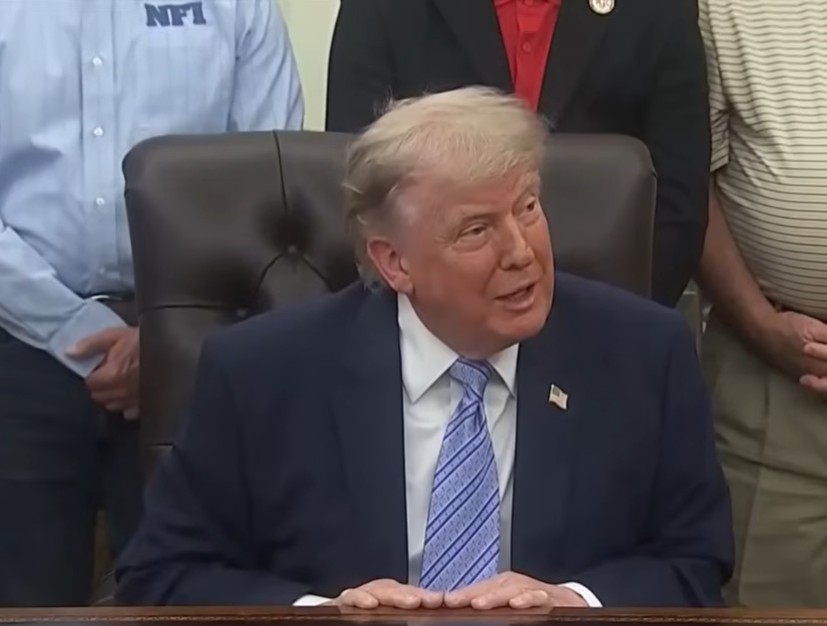
The Trump administration publicly welcomed Cunningham’s comments. White House press secretary Karoline Leavitt said President Donald Trump agreed with the position that transgender women should not participate in women’s athletic categories.
Trump had previously signed an executive order directing federally funded schools to follow his administration’s interpretation of Title IX regarding transgender participation in girls’ and women’s sports.
Cunningham, however, has resisted attempts to neatly place her within a political camp.
She has described her own political views as “very much in the middle,” saying she agrees and disagrees with positions held by both major parties.
“I’m not a very political person,” Cunningham said. “But I do have beliefs, I have morals, and I’ll always stand on those and be true to who I am.”
Inside the WNBA, her stance contrasted with statements from several other prominent figures.
Golden State Valkyries coach Natalie Nakase publicly supported transgender inclusion after Cunningham’s comments.
“For me, sports is about belonging,” Nakase said. “It’s about inclusivity. It’s about allowing everyone to be their authentic self.”
Minnesota Lynx coach Cheryl Reeve also showed support for transgender athletes, wearing a shirt reading “Trans kids belong” before a game against Indiana.
Reeve later spoke with Cunningham despite their disagreement on the issue.
The controversy soon moved from interviews and social media into arenas themselves.
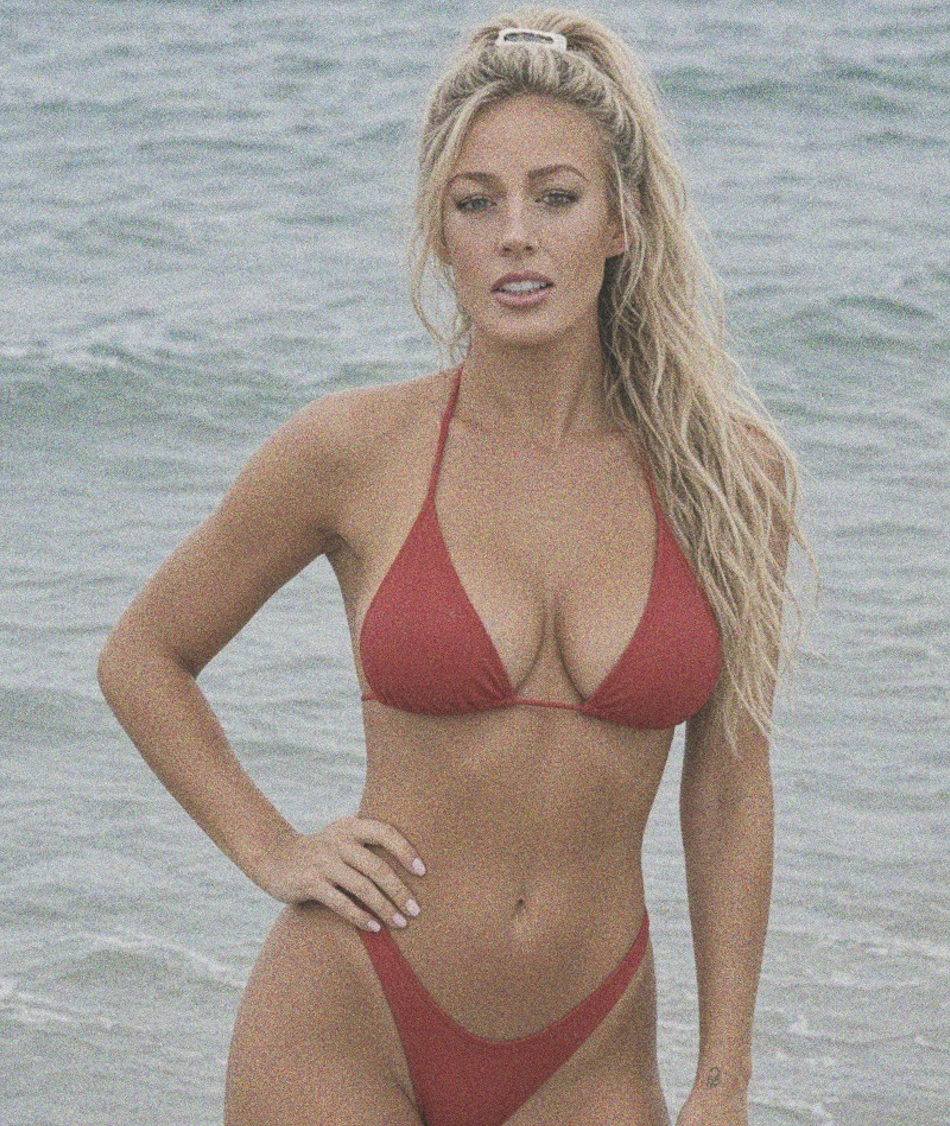
Demonstrations surrounding Fever games were held by groups on opposing sides of the debate.
At some games, supporters rallied behind Cunningham, while other spectators displayed transgender flags and signs supporting transgender athletes.
Cunningham was also booed during portions of road games as the debate followed Indiana throughout its schedule.
She said she did not organize the rallies and did not believe the attention should prevent her from expressing her views.
“I’m always going to be who I am,” Cunningham said while addressing the controversy surrounding the team.
Fever coach Stephanie White acknowledged that the attention surrounding Cunningham had created an additional storyline for the team, though Indiana continued attempting to keep its focus on basketball.
Caitlin Clark largely avoided entering the substance of the dispute, saying questions surrounding eligibility were matters for leagues and governing bodies to address rather than individual players.
The disagreement reflects a much larger debate occurring across amateur, professional and international sports.
Supporters of sex-based eligibility rules argue that physiological differences associated with male puberty can create fairness concerns and, depending on the sport, potential safety issues in female competition.
Advocates for transgender inclusion argue that broad restrictions can unfairly exclude transgender athletes and say governing organizations should create policies that balance competitive fairness with opportunities for participation.
Major sporting organizations have increasingly been forced to establish formal rules addressing the issue.
For Cunningham, the debate has dramatically expanded her public profile beyond her play on the basketball court.
What began as an athlete answering questions about women’s sports has developed into a broader cultural and political dispute involving fans, coaches, activists and government officials.
Cunningham has nevertheless maintained that she intends to separate disagreement over the issue from hostility toward transgender people.
“I think there is room for absolutely everyone here,” she said. “But I’m also there to love biological women, and I think that there are rights that need to be protected.”
Her refusal to retreat from that position has ensured that the Indiana guard remains one of the most visible athletes in the continuing national debate over where the boundaries of women’s sports should be drawn.
Indiana Fever guard Sophie Cunningham has found herself at the center of one of the most politically charged debates in American sports after publicly opposing transgender women competing in women’s athletic categories.
Cunningham addressed the issue during the 2026 WNBA season, saying she believes women’s sports should remain protected on the basis of biological sex.
“I want to protect young girls in a locker room, or young girls in sport who shouldn’t have to go against biological men,” Cunningham said.
Her comments quickly spread beyond basketball, drawing praise from supporters of sex-based eligibility rules and criticism from advocates of transgender inclusion.
Rather than backing away from the controversy, Cunningham subsequently reinforced her position.
“I think it’s kind of common sense,” she told reporters. “And I think I’ll always believe in that.”
Cunningham said her position centers on protecting opportunities that generations of female athletes fought to establish.
“When it comes to just protecting young girls in sport and women in sport, I feel very strongly about that,” she said.
She specifically pointed to Title IX, the landmark federal law prohibiting sex discrimination in federally funded education programs.
“That’s why you have Title IX. That’s why you have some of the greats in women’s sports,” Cunningham said.
At the same time, Cunningham rejected claims that her position reflected hostility toward transgender people.
“I have never once said that I hated the trans community,” she said, adding that she believes “there is room to love everyone.”
Cunningham later summarized her position more succinctly on social media: “I said what I said.”
Her remarks immediately became part of the broader national political fight over transgender participation in women’s and girls’ sports.
The Trump administration publicly welcomed Cunningham’s comments. White House press secretary Karoline Leavitt said President Donald Trump agreed with the position that transgender women should not participate in women’s athletic categories.
Trump had previously signed an executive order directing federally funded schools to follow his administration’s interpretation of Title IX regarding transgender participation in girls’ and women’s sports.
Cunningham, however, has resisted attempts to neatly place her within a political camp.
She has described her own political views as “very much in the middle,” saying she agrees and disagrees with positions held by both major parties.
“I’m not a very political person,” Cunningham said. “But I do have beliefs, I have morals, and I’ll always stand on those and be true to who I am.”
Inside the WNBA, her stance contrasted with statements from several other prominent figures.
Golden State Valkyries coach Natalie Nakase publicly supported transgender inclusion after Cunningham’s comments.
“For me, sports is about belonging,” Nakase said. “It’s about inclusivity. It’s about allowing everyone to be their authentic self.”
Minnesota Lynx coach Cheryl Reeve also showed support for transgender athletes, wearing a shirt reading “Trans kids belong” before a game against Indiana.
Reeve later spoke with Cunningham despite their disagreement on the issue.
The controversy soon moved from interviews and social media into arenas themselves.
Demonstrations surrounding Fever games were held by groups on opposing sides of the debate.
At some games, supporters rallied behind Cunningham, while other spectators displayed transgender flags and signs supporting transgender athletes.
Cunningham was also booed during portions of road games as the debate followed Indiana throughout its schedule.
She said she did not organize the rallies and did not believe the attention should prevent her from expressing her views.
“I’m always going to be who I am,” Cunningham said while addressing the controversy surrounding the team.
Fever coach Stephanie White acknowledged that the attention surrounding Cunningham had created an additional storyline for the team, though Indiana continued attempting to keep its focus on basketball.
Caitlin Clark largely avoided entering the substance of the dispute, saying questions surrounding eligibility were matters for leagues and governing bodies to address rather than individual players.
The disagreement reflects a much larger debate occurring across amateur, professional and international sports.
Supporters of sex-based eligibility rules argue that physiological differences associated with male puberty can create fairness concerns and, depending on the sport, potential safety issues in female competition.
Advocates for transgender inclusion argue that broad restrictions can unfairly exclude transgender athletes and say governing organizations should create policies that balance competitive fairness with opportunities for participation.
Major sporting organizations have increasingly been forced to establish formal rules addressing the issue.
For Cunningham, the debate has dramatically expanded her public profile beyond her play on the basketball court.
What began as an athlete answering questions about women’s sports has developed into a broader cultural and political dispute involving fans, coaches, activists and government officials.
Cunningham has nevertheless maintained that she intends to separate disagreement over the issue from hostility toward transgender people.
“I think there is room for absolutely everyone here,” she said. “But I’m also there to love biological women, and I think that there are rights that need to be protected.”
Her refusal to retreat from that position has ensured that the Indiana guard remains one of the most visible athletes in the continuing national debate over where the boundaries of women’s sports should be drawn.
Keep Reading


Is El Sayed UNWELL?!
Join the Conversation
Share your perspective and reply to other readers.
Create your account
Create your free Chicks on the Right account without leaving this article.
Welcome back
Log in and continue the conversation on this page.